Why public speaking training doesn't always stick
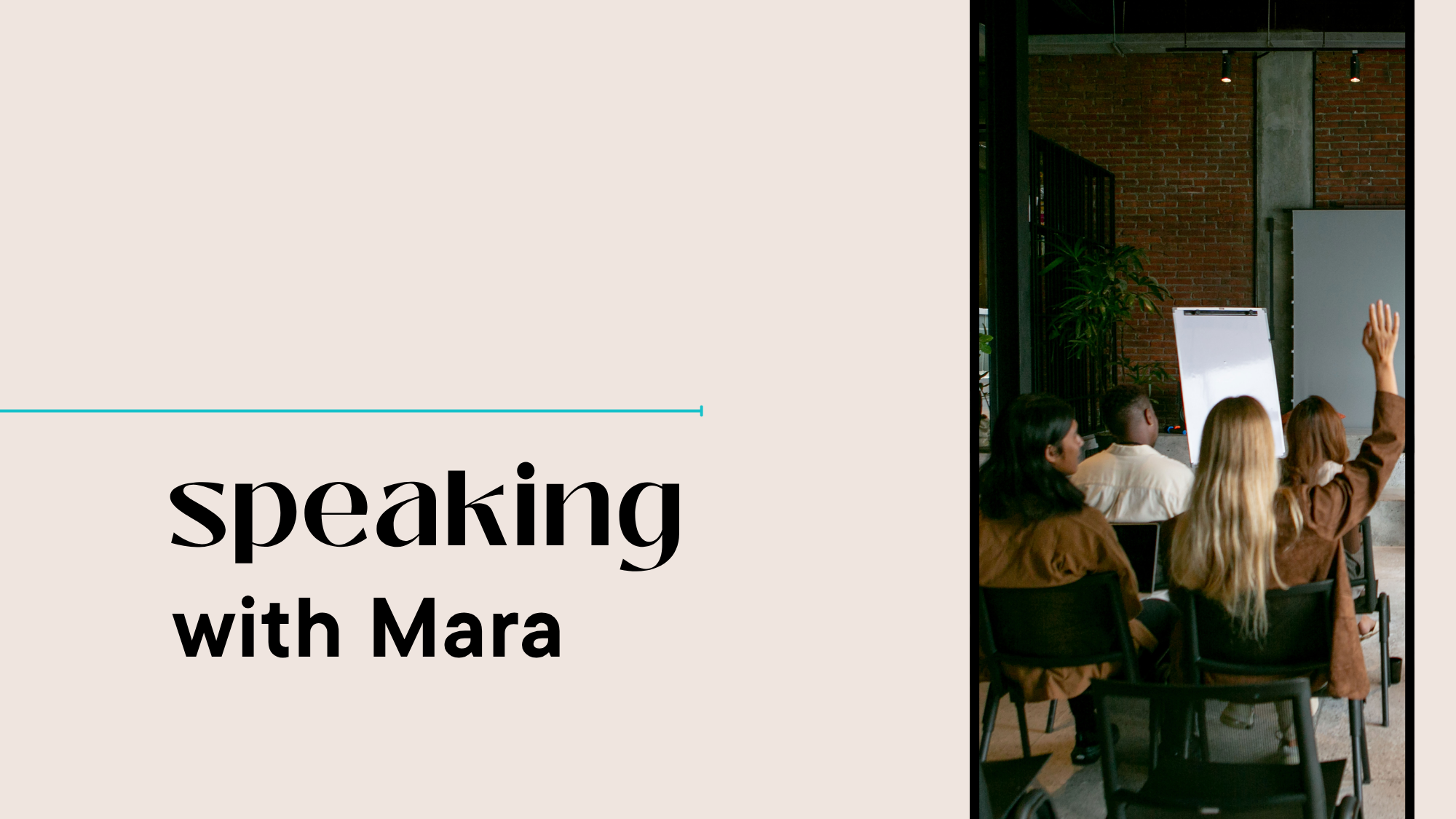
As an ambitious working woman, you probably recognize that figuring out how to get better at public speaking can only advance your career. You’ve probably seen leaders on your team speak and thought “they seem so poised and put together.”
But finding public speaking training that covers what you really need can be tricky.
Many focus on presentations, but miss the skills you need for more casual dialogue, like meetings. Some give you so many tricks, you don’t even know what to implement. But very few give you the resources and support you need to make lasting change.
Why some public speaking training leaves you feeling like it never happened.
Most public speaking training doesn’t actually stick. You spend time with a coach or consultant or public speaker and learn tips and tricks. And for the next few days, you can feel the difference. You may not be confident, but you’ve got new tools to use to give off the right impression. The old fake it till you make it.
But then the moment hits: a high pressure situation sends you straight back into your old habits.
You’re back at square one, undermining your intelligence and capacity by asking people if that made sense knowing full well that it did. You might catch yourself talking too fast or droning on like Charlie Brown’s teacher while you give an important presentation.
And you know you can be better. You know it isn’t helping your career to speak like you’re sorry for having opened your mouth at all. You just can’t help it.
But it doesn’t have to be this way.
Imagine working with a coach who not only sets the foundations and teaches you the tools, but also teaches you when to use each tool so you can actually navigate your work life.
The good news? You don’t have to keep imaging, you’re speaking with her 😏
Hot take: Your training should teach you tools and how to use them
I’m a firm believer that public speaking and communication trainings that don’t teach the methodology behind when and how to use each tool are half-baked.
It’s not enough just to know where to put your hands.
A good communication training should equip you with the tools you need to be successful, but also a clear understanding of when to use each one so you can actually build something with those tools.
If you’re speaking to a room and need to appear empathetic, part of the team, not able to make final decisions, it requires a specific approach. And that approach is different from the one you’d use to take command of a room, calm the energy, and lead a tactical plan.
Now, you’ll need time to put all of those skills into practice and make them feel natural, but that’s work you can do after the foundations are set. The best communication training has this time and development work built in.
Whether I’m coaching in group settings or one-on-one, my philosophy prioritizes teaching the unspoken rules, approaching these skills and situations as you’d experience them in real life, and setting clear action steps for how to keep building the muscle memory you need to make lasting change.
And that’s what makes Director-Level Communication stick for the long haul.
Ready to turn your professional communication skills into a launchpad for career growth?
When you work with me through Director-Level Communication, I don’t just want you to know what to do, I want you to know how to think about what to do. So that you’re prepared to speak confidently and effectively, no matter what situation comes your way.
The first phase of the program focuses on the foundations. It’s a 2-month period where we meet every other week so you have time to practice the things you learn. Plus you get text and voice note support in between sessions to troubleshoot issues, celebrate your wins, and make sure you’re on track.
We discuss the key skills for giving scripted presentations, speaking up in meetings, giving impromptu speeches, and tailoring your communication approach to the needs of your audience so that you build a solid core skill set before you move into the meat of phase two.
The second phase of Director-Level Communication focuses on your personal goals. This is where we dig deeper into mindset shifts, investigate how you permit and police your communication at work, and help you turn all of these skills into a powerful personal pitch so that you can grow your career.
This phase isn’t timebound because the work shifts and evolves. If, at the beginning of this phase, you’re focused on positioning yourself to move into a leadership role, but by the end, you want to pivot to a new industry and need to figure out how to translate your experience, I’m here for all of it. Phase two is intentionally designed to meet your needs and ambitions as they grow and change.
If you’re ready to transform your communication skills into a sophisticated toolkit that can help you navigate every phase of your career growth
